How game theory can help us design more effective whistleblowing polices for sports (Part 2)
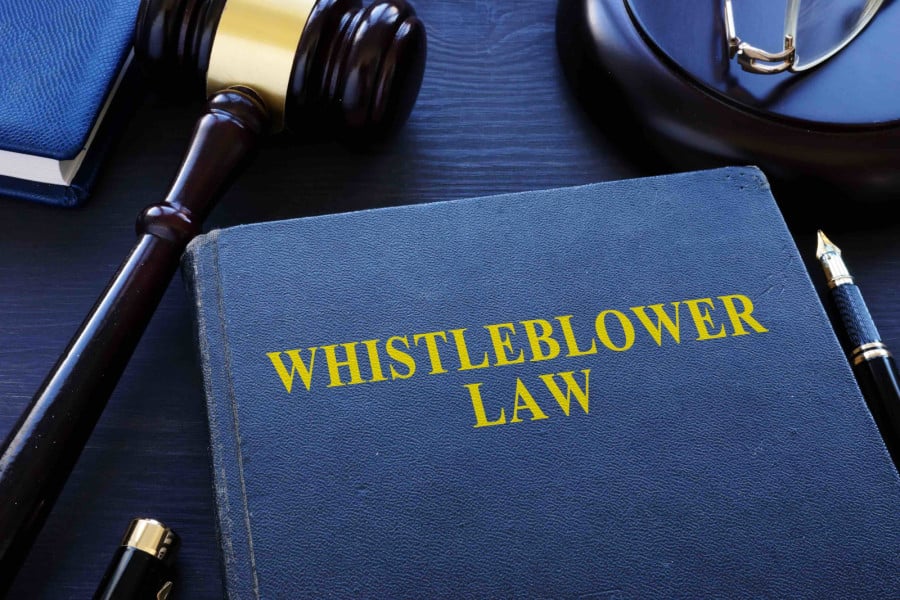
This two part article considers how sports bodies can design more effective whistleblowing polices.
Part 1 (available here) examined three interesting scenarios from the behavioural field of game theory to help give us a better understanding of how decisions are made in difficult circumstances, analogous to those a potential Whistleblower may face. It then identified ways in which the ‘rules of the game’ might be changed to better incentivise a certain behavioural outcome.
Part 2 (below) builds on the theory from Part 1. It first examines the current state of Whistleblowing laws in England & Wales to ascertain the current ‘lay of the land’ and the lessons we may learn from within the law. It then combines this with the game theoretical learning from Part 1 to examine why Whistleblowing policies are necessary and how they might be best drafted to optimise effective reporting.
To continue reading or watching login or register here
Already a member? Sign in
Get access to all of the expert analysis and commentary at LawInSport including articles, webinars, conference videos and podcast transcripts. Find out more here.
- Tags: Anti-Corruption | Anti-Doping | Employment | Enterprise and Regulatory Reform Act 2013 | Fraud | Game Theory | Integrity | Match-Fixing | Public Interest Disclosure Act 1998 (PIDA) | United Kingdom (UK) | Whistleblowing | World Anti-Doping Agency (WADA)
Related Articles
- Whistleblowing in Sport – Part 1: Maintaining Public Confidence In The Integrity Of Sport
- Whistleblowing in Sport – Part 2: Investigations and Disciplinary Proceedings
- Is whistleblowing in sport fit for purpose? Part 1 – The current picture
- Is whistleblowing in sport fit for purpose? Part 2 – Analysis and recommendations
Written by

Louis Weston
Louis Weston is a highly regarded Commercial and Sports Law litigator at Outer Temple Chambers. He has a wealth of experience across commercial litigation with an emphasis on matters arising from sport, civil fraud, professional negligence, gambling and failed business ventures. He is regularly instructed to gain injunctive relief and freezing orders.

Sarah Crowther QC
Sarah Crowther QC has a broad practice with areas of focus in personal injury, private international law, clinical negligence and public law and discrimination cases.